

Intelligent Automatic Control Valves for Industrial Automation
Customer Feedback | Installation Guide | Applications | Operating Instructions
Intelligent automatic control valves are advanced industrial components designed to optimize fluid flow, pressure, and temperature in automated processes. Combining robust valve construction with smart actuators and real-time monitoring capabilities, these valves improve process efficiency, enhance safety, and reduce operational costs. They are widely used in chemical processing, petrochemical industries, water treatment facilities, and manufacturing plants. This guide provides detailed insights into customer experiences, installation guidelines, suitable applications, and operating instructions.
Intelligent automatic control valves integrate mechanical and electronic systems to achieve precise flow control. They can be connected to industrial control systems like SCADA, DCS, or PLCs, enabling automated monitoring and predictive maintenance.
Key Features:
Real-time monitoring of flow, pressure, and temperature
Automated control for energy efficiency
Remote operation and diagnostics
Reduced downtime and maintenance costs
Components Overview:
| Component | Description | Function |
|---|---|---|
| Valve Body | Stainless steel or carbon steel | Ensures mechanical strength and corrosion resistance |
| Actuator | Electric, pneumatic, or hydraulic | Enables automated valve movement |
| Control Module | Microprocessor-based | Provides real-time feedback and automation control |
| Sensors | Flow, pressure, temperature | Monitor operational parameters |
| Seals & Gaskets | PTFE, rubber, or elastomer | Ensure leak-proof performance |
Customer feedback provides valuable insights into valve performance, reliability, and ease of integration.
Customers report improved process stability with minimal pressure fluctuations.
Automated control reduces human intervention and increases productivity.
Real-time monitoring prevents overflow and ensures safe operation under high pressure.
Clients highlight reduced maintenance frequency due to durable construction.
Remote control and automated scheduling simplify flow regulation.
Smart valves help optimize energy usage, resulting in lower operational costs.
Integration with SCADA systems allows predictive maintenance alerts.
Customers praise the ease of installation and minimal downtime during upgrades.
Customer Satisfaction Table:
| Industry | Key Benefit | Feedback Summary |
|---|---|---|
| Chemical Processing | Process Stability | Reduced pressure fluctuations |
| Petrochemical | Safety & Reliability | High-pressure handling success |
| Water Treatment | Energy Efficiency | Optimized flow and energy savings |
| Manufacturing | Automation Integration | Easy SCADA connection and monitoring |
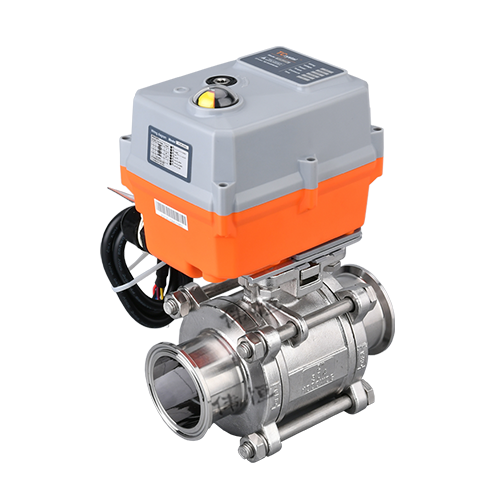
Proper installation ensures optimal performance and longevity of intelligent automatic control valves.
Confirm valve specifications match pipeline pressure, temperature, and chemical compatibility.
Inspect the valve for transport damage or defects.
Verify actuator compatibility (electric, pneumatic, hydraulic).
Ensure connection types (flanged, threaded, or welded) align with the system.
Pipeline Preparation: Clean the pipeline thoroughly to remove debris.
Valve Positioning: Align the valve according to the flow direction indicated by the arrow on the body.
Mounting: Secure valve using bolts or flanges as per recommended torque values.
Actuator Connection: Connect power and control signals to the actuator module.
Sensor Integration: Install pressure, flow, and temperature sensors if not pre-installed.
Initial Testing: Conduct leak tests and verify actuator response.
A typical installation includes:
Valve body mounted in pipeline
Actuator connected on top of the valve
Flow, pressure, and temperature sensors upstream and downstream
Control module linked to SCADA or DCS
Intelligent automatic control valves are versatile and can be used in various industrial sectors.
| Application | Description | Benefits |
|---|---|---|
| Chemical Processing | Acid, alkali, and solvent handling | Precise flow control, safety, corrosion resistance |
| Petrochemical Plants | Oil, gas, and hydrocarbon pipelines | Automated pressure control, leak prevention |
| Water Treatment | Filtration, pumping, and chemical dosing | Energy efficiency, automated scheduling |
| Manufacturing | Assembly lines, cooling systems, pneumatic lines | Remote monitoring, predictive maintenance |
| HVAC Systems | Chillers, heating loops, and industrial air handling | Temperature and pressure optimization |
Operating intelligent automatic control valves requires understanding the interface between the actuator, sensors, and control systems.
Power on the actuator and control module.
Verify communication with SCADA, DCS, or PLC systems.
Calibrate sensors according to the manufacturer’s instructions.
Monitor flow, pressure, and temperature readings on the control panel.
Adjust setpoints remotely or locally depending on the process requirement.
Ensure the valve opens and closes smoothly without obstruction.
Manual override available for actuator failure or power loss.
Emergency shutdown procedures should be followed in case of high-pressure or chemical leaks.
Periodically inspect actuator and sensor connections.
Check for any abnormal vibrations, noise, or pressure drops.
Schedule software updates for smart control modules.
| Issue | Possible Cause | Recommended Solution |
|---|---|---|
| Valve Stuck | Debris, actuator malfunction | Clean valve internals, service actuator |
| Pressure Drop | Pipeline blockage or valve misalignment | Inspect pipeline, realign valve |
| Sensor Failure | Electrical or communication fault | Replace sensor or check wiring |
| Leak | Worn seals or gasket damage | Replace seals or gaskets |
| Communication Error | SCADA or control system connection issue | Verify wiring, reboot control module |
Enhanced Process Control: Automated regulation ensures accurate flow, pressure, and temperature.
Energy Efficiency: Optimizes valve operation to reduce energy consumption.
Safety and Reliability: Reduces manual handling and prevents accidental leaks.
Integration with Automation Systems: Compatible with SCADA, DCS, and IoT platforms.
Predictive Maintenance: Smart sensors and control modules provide alerts for maintenance before failures occur.
Client: Mid-size chemical manufacturing facility
Objective: Improve process efficiency and reduce downtime in corrosive chemical pipelines
Solution: Installed intelligent automatic control valves with electric actuators and integrated SCADA monitoring
Outcome:
Flow and pressure fluctuations reduced by 25%
Maintenance downtime decreased by 30%
Improved operator safety and process monitoring
Positive feedback on ease of integration with existing automation systems
Intelligent automatic control valves are essential for modern industrial automation, offering precision, safety, and efficiency in chemical, petrochemical, water treatment, and manufacturing processes. Selecting the right valve involves understanding customer requirements, proper installation, regular maintenance, and integrating with automation systems.
Tel: +86 577 8699 9257
Tel: +86 135 8786 5766 /+86 137 32079372
E-posta: wzweiheng@163.com
Adres: Hayır. 1633, Yidaoba Yolu, Binhai Endüstri Parkı, Wenzhou Şehri, Zhejiang Eyaleti

Wechat'i tarayın
Bu web sitesi, web sitemizde en iyi deneyimi yaşamanızı sağlamak için çerezleri kullanır.
 English
 Español
 Portugues
 Pусский
 Français
 Deutsch
 한국어
한국어 العربية
 Italiano
 ไทย
ไทย हिन्दी
 Melayu
 Tiếng Việt
 dansk
dansk қазақ
қазақ বাংলা
বাংলা українська
 Filipino
 o'zbek



 Telefon
Yorum
(0)