

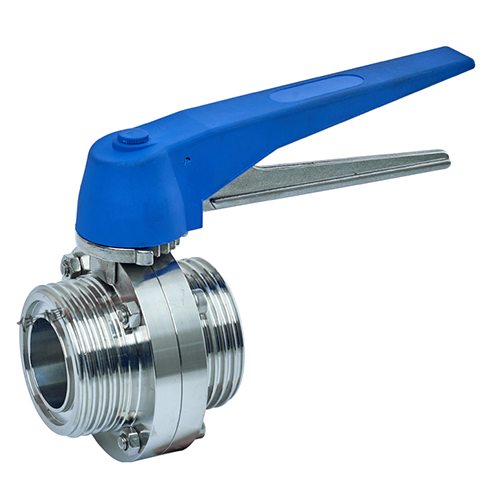
How Intelligent Control Valves Enhance Industrial Productivity
Industry Background and Market Demand
Industrial automation continues to evolve, driven by the need for higher efficiency, reduced downtime, and optimized resource utilization. Among critical components, intelligent control valves have emerged as pivotal elements in modern process control systems. These valves integrate advanced sensing, real-time data processing, and automated adjustments to improve flow regulation in industries such as oil and gas, chemical processing, water treatment, and power generation.
The demand for intelligent control valves stems from stricter environmental regulations, energy conservation requirements, and the push for Industry 4.0 adoption. Traditional valves, reliant on manual or basic pneumatic actuation, often lack precision and responsiveness. In contrast, intelligent valves leverage digital communication protocols (e.g., HART, Foundation Fieldbus) and predictive analytics to minimize human intervention while maximizing system reliability.
Core Technology and Functionality
Intelligent control valves combine three key technological advancements:
1. Embedded Sensors – Measure parameters like pressure, temperature, and flow rate, feeding data to control systems.
2. Self-Diagnostics – Detect anomalies such as leaks, cavitation, or actuator wear, enabling predictive maintenance.
3. Adaptive Control Algorithms – Adjust valve positioning dynamically based on real-time process conditions.
Unlike conventional valves, which operate on fixed setpoints, intelligent valves utilize closed-loop feedback to optimize performance. For example, in a steam distribution network, an intelligent valve can modulate flow to maintain consistent pressure despite fluctuating demand, reducing energy waste.
Design, Materials, and Manufacturing
Structural Components
- Valve Body: Typically constructed from stainless steel, duplex steel, or alloy materials to withstand corrosive or high-pressure environments.
- Actuators: Electric, pneumatic, or hydraulic, often with fail-safe mechanisms (e.g., spring-return for emergency shutdowns).
- Positioners: Convert control signals into precise mechanical movement, with smart variants offering wireless calibration.
Manufacturing Precision
Tight tolerances in machining and assembly ensure leak-free operation. Advanced manufacturing techniques like laser welding and CNC machining enhance durability, particularly for valves handling abrasive fluids.
Critical Performance Factors
1. Response Time – Faster actuation improves control in dynamic processes.
2. Sealing Integrity – Materials like PTFE or graphite ensure long-term sealing under extreme temperatures.
3. Communication Compatibility – Support for industrial IoT protocols (e.g., Modbus, PROFINET) is essential for integration.
4. Environmental Resilience – IP67/NEMA 4X ratings for harsh conditions.
Supplier Selection Criteria
When sourcing intelligent control valves, industrial buyers should evaluate:
- Certifications: ISO 9001, API 6D, or SIL compliance for safety-critical applications.
- Customization Capabilities: Ability to tailor valve trim or materials for specific media.
- Lifecycle Support: Availability of spare parts and firmware updates.
- Proven Track Record: Case studies in similar industries (e.g., refineries, pharmaceuticals).
Industry Challenges and Common Issues
Despite their advantages, intelligent control valves face adoption barriers:
- High Initial Costs: ROI must justify upfront investment through energy savings or downtime reduction.
- Cybersecurity Risks: Networked valves require robust encryption to prevent unauthorized access.
- Skill Gaps: Technicians need training to interpret diagnostic data and perform advanced troubleshooting.
Frequent operational issues include:
- Stiction or Hysteresis: Mechanical resistance causing sluggish response.
- Fouling: Particulate buildup impairing sensor accuracy.
- Calibration Drift: Requiring periodic recalibration in high-vibration environments.
Application Case Studies
Oil & Gas: Predictive Maintenance
A North Sea offshore platform reduced unplanned shutdowns by 30% after deploying intelligent valves with vibration sensors. Early detection of actuator degradation allowed scheduled replacements during routine maintenance.
Water Treatment: Energy Optimization
A municipal plant in Germany cut pumping energy costs by 18% using intelligent valves that adjusted flow rates based on real-time demand forecasts.
Trends and Future Outlook
1. Edge Computing Integration – Onboard processing reduces latency for time-sensitive decisions.
2. AI-Driven Optimization – Machine learning models analyze historical data to refine control strategies.
3. Sustainable Materials – Development of bio-based seals and coatings to meet circular economy goals.
4. Modular Designs – Plug-and-play valve assemblies for faster retrofits in aging infrastructure.
FAQ
Q: How do intelligent valves differ from traditional control valves?
A: Traditional valves rely on external controllers for adjustments, while intelligent valves embed sensors and logic for autonomous operation.
Q: What industries benefit most from intelligent control valves?
A: Process industries with variable flow demands (e.g., chemical, power generation) or harsh operating conditions (e.g., mining, oil extraction).
Q: Can existing valves be upgraded to "intelligent" versions?
A: Yes, retrofitting with smart positioners or IoT-enabled add-ons is possible, though full integration may require system compatibility checks.
Q: What is the typical lifespan of an intelligent control valve?
A: With proper maintenance, 15–20 years, though seals and sensors may need replacement sooner depending on the operating environment.
Conclusion
Intelligent control valves represent a convergence of mechanical engineering and digital innovation, offering measurable gains in productivity and sustainability. As industries prioritize automation and data-driven decision-making, these valves will become indispensable in achieving operational excellence. Future advancements will likely focus on interoperability, resilience, and reducing total cost of ownership—ensuring their role as a cornerstone of industrial efficiency.
Tel: +86 577 8699 9257
Tel: +86 135 8786 5766 /+86 137 32079372
E-posta: wzweiheng@163.com
Adres: Hayır. 1633, Yidaoba Yolu, Binhai Endüstri Parkı, Wenzhou Şehri, Zhejiang Eyaleti

Wechat'i tarayın
Bu web sitesi, web sitemizde en iyi deneyimi yaşamanızı sağlamak için çerezleri kullanır.
 English
 Español
 Portugues
 Pусский
 Français
 Deutsch
 한국어
한국어 العربية
 Italiano
 ไทย
ไทย हिन्दी
 Melayu
 Tiếng Việt
 dansk
dansk қазақ
қазақ বাংলা
বাংলা українська
 Filipino
 o'zbek



 Telefon
Yorum
(0)